Terroir

Vineyards
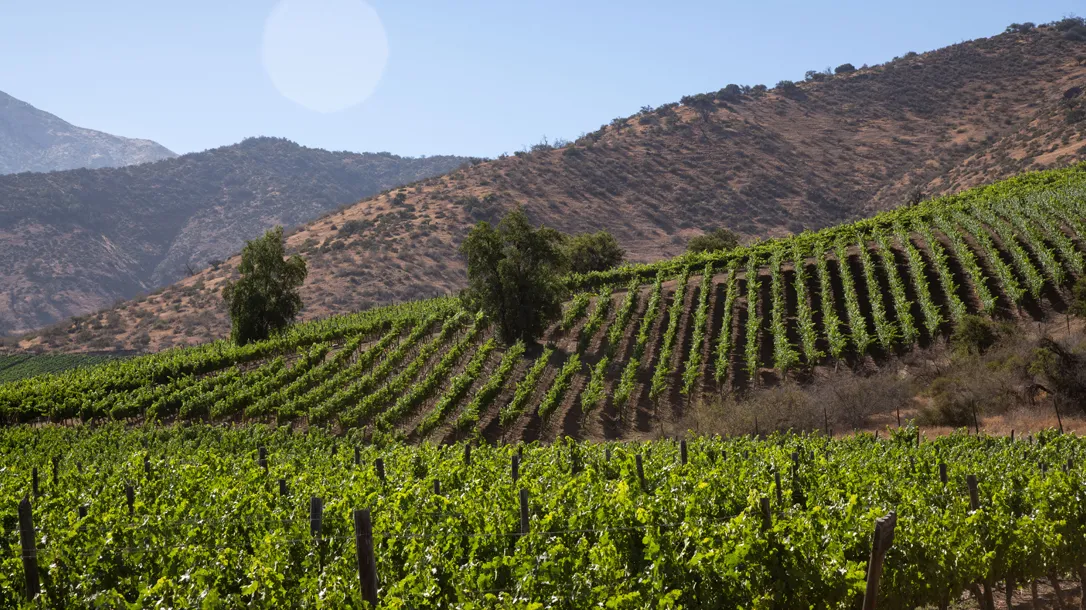
The vineyard is located in the Maipo Valley, in the Pirque commune, in the foothills of the Andes Mountains.
El Principal has 90 hectares of vineyards. The first planting phase took place between 1993 and 2000 with Cabernet Sauvignon and Carmenere, in alluvial soils. In 2006, Cabernet Sauvignon, Cabernet Franc, Petit Verdot, Malbec, and Syrah were planted on hillsides and slopes. The diverse sun exposure imparts different characteristics to the grapes, ranging from fresh and fruity notes to ripe ones.
The oldest vineyards are located primarily on alluvial soils, while the newer vineyards are on colluvial soils. All these combinations, along with the different orientations and altitudes, provide the winemaking team with diverse options to find the perfect blend for each wine.
Floor
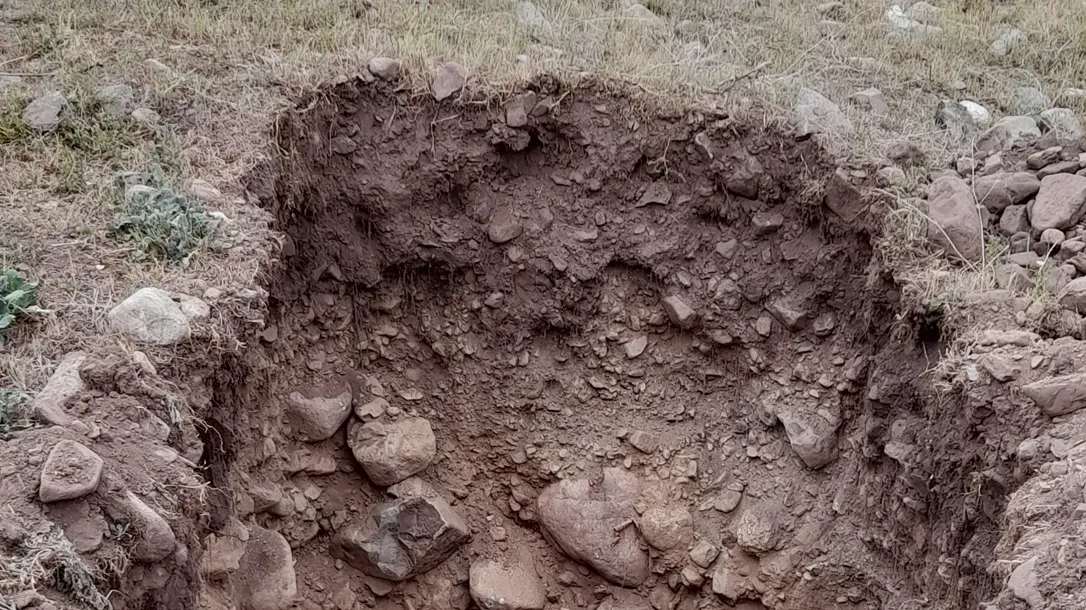
Our soils have two origins. Alluvial, formed by the passage of rivers, with loamy textures and rounded stones. And colluvial, mainly located on hillsides, with fine textures and the presence of angular stones.
In general, the soils of El Principal are deep with stones in the profile, which allows for good drainage and root exploration. These characteristics allow the plant to obtain nutrients and water in a controlled manner, naturally balancing the vigor of the vineyard.
The combination of these soils gives rise to complex wines with soft, round tannins.
Climate
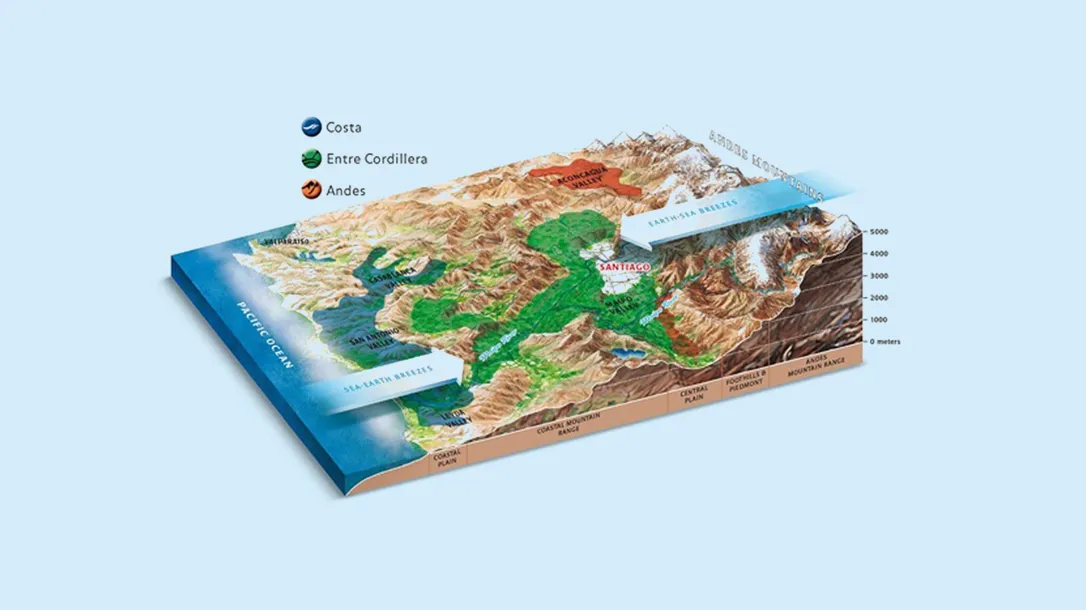
The climate of El Principal is semi-arid Mediterranean. Rainfall varies between 300 and 350 millimeters per year, concentrated mainly in autumn and winter, sometimes falling as snow. Spring and summer are dry, allowing for a long ripening period and a low incidence of diseases such as powdery mildew and botrytis.
The vineyard is located in the Maipo Valley of the Andes, between 750 and 930 meters above sea level. The altitude moderates temperatures throughout the year, reducing the likelihood of frost in spring and allowing for temperatures 1°C or 2°C cooler in summer than in the valley below. This, combined with the afternoon breezes, helps preserve the wine's fruity notes, freshness, and acidity, essential for long aging. The temperature difference between day and night (thermal oscillation) exceeds 20°C during the ripening period, which enhances the aromas and color of the grapes and the wine.
Management
The field is completely sectorized; the plots are small in size and defined by the soil and exposure.
The vineyard is primarily trained on trellises, with a planting density ranging from 4,000 to 8,000 plants per hectare. Yields are low, between 5,000 and 9,000 kilos per hectare.
Irrigation is managed independently in each plot, prioritizing the balance between shoot growth and grape ripening.
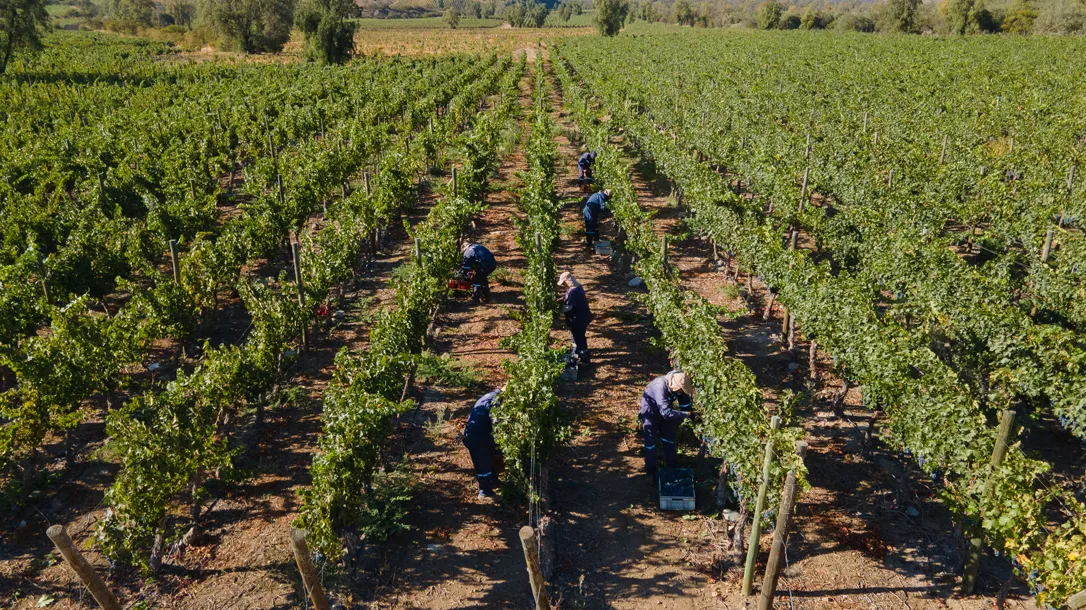
The harvest is done by hand, in 10 kilo boxes, selecting only the bunches suitable for winemaking.
Biodiversity
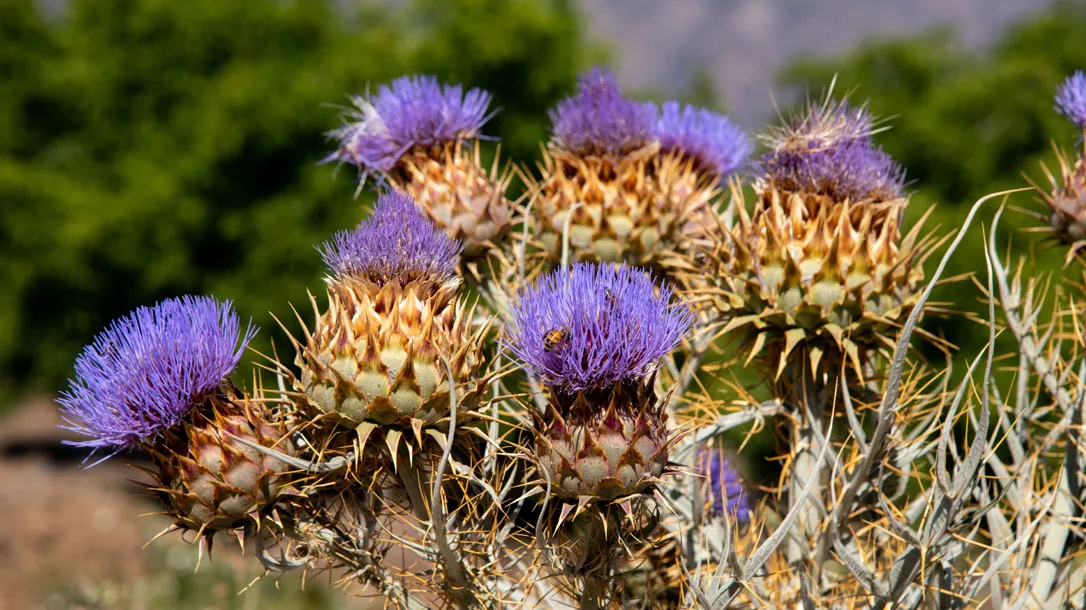
The natural ravines between the slopes of the Andes Mountains, combined with the respect shown for the centuries-old trees during the vineyard's design, allow for biological corridors throughout the property. Thanks to this, there is a large number of native plants, animals, and insects essential for ecological balance, which helps to naturally reduce pests and diseases.
Typical trees of the sclerophyllous forest of central Chile can be found, such as quillay, espino, maitén, peumo and boldo.
Among the abundant animal species are birds such as southern lapwings, hawks, partridges, and doves. Additionally, ibises, herons, and burrowing parrots can be seen seasonally. Foxes, lesser grisons, and hares are also possible to find.